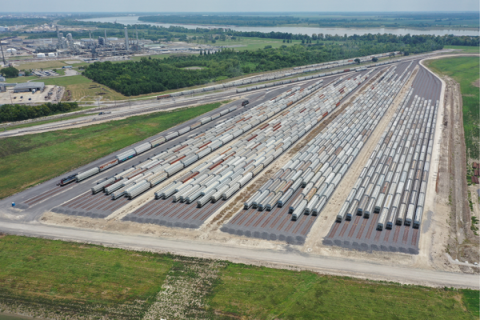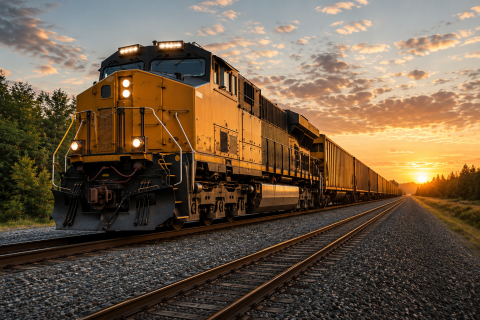
n CRail infrastructure is often viewed as a long-term investment that delivers efficiency, scale, and lower transportation costs. But the benefits of rail are only fully realized when the infrastructure is designed correctly from the beginning. Poor rail design can quietly introduce operational problems that affect safety, efficiency, and long-term...
Railroad News
And Where RITD Adds Value The truth is that most companies don't choose rail instead of truck. They choose rail where it creates a clear supply-chain advantage — and only when the site and rail system are designed to support it. Below is a concise breakdown of why freight rail works, and how RITD enables each benefit. Lower Cost at ScaleOne railcar...
The freight and industrial rail industry enters 2026 with strong momentum. Technology adoption is accelerating, decarbonization efforts are moving from pilot programs into real-world operations, and sustained public and private investment continues to unlock rail capacity across North America.For freight railroads, short lines, industrial operators...
Steel wheels on steel rails. It may sound like the past, but it’s powering the future. Efficiency That Stands the Test of Time Railroads move a ton of freight nearly 500 miles on a single gallon of fuel. That’s a statistic trucking and air cargo can’t touch. In today’s environment of rising costs and energy constraints, the ...
In today’s fast-moving supply chain world, companies face pressure to deliver faster, cheaper, and more reliably. Trucks, ships, and planes all have their role — but rail continues to stand out as the most efficient and cost-effective way to move bulk freight. Rail isn’t just another transportation option. It’s the backbone ...